Our Portfolio
Environmental organisations across Australia,
selected through our collective giving process.
Southern Australia
Across the southern part of the continent and Tasmania, vast landscapes have been transformed by agriculture, industry and human settlements. Iconic rivers, wetlands and coastlines provide vital refuges for biodiversity while supporting communities and livelihoods. Many waterways are over-extracted and degraded and southern ecosystems face growing pressures from climate change and invasive species.
Protecting what remains and restoring what has been damaged requires local knowledge, long-term stewardship and collective action. Our Southern Australia portfolio supports organisations working across these interconnected challenges – from on-ground restoration and conservation to community action, monitoring and advocacy.
Our Southern Australia portfolio includes:
Funded: 2025
Visit Site
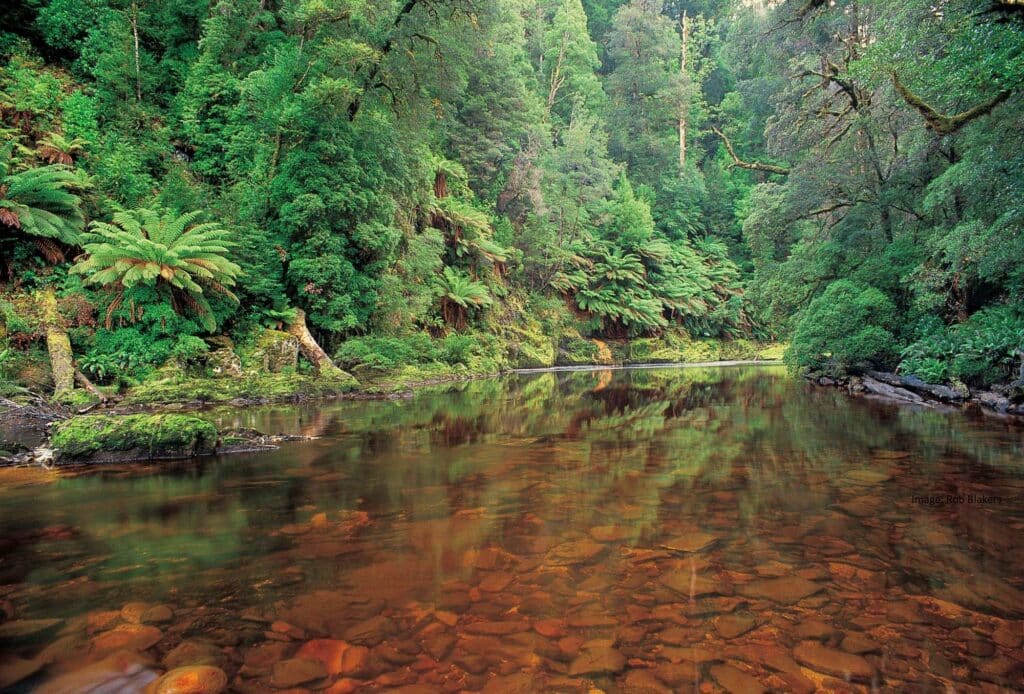
Environment Tasmania works with the Tasmanian community to care for the island state’s unique environment, home to some of the most spectacular wildlife, forests and oceans on earth. Since 2004 they have spearheaded campaigns on numerous environmental issues, and are currently focused on marine environments, climate and rivers. They recently launched the Freshwater Future campaign, which calls for the monitoring of pollution in Tasmania’s precious waterways, and have begun collaborating with Landcare Tasmania to address the urgent threats facing Tasmania’s inland waters.
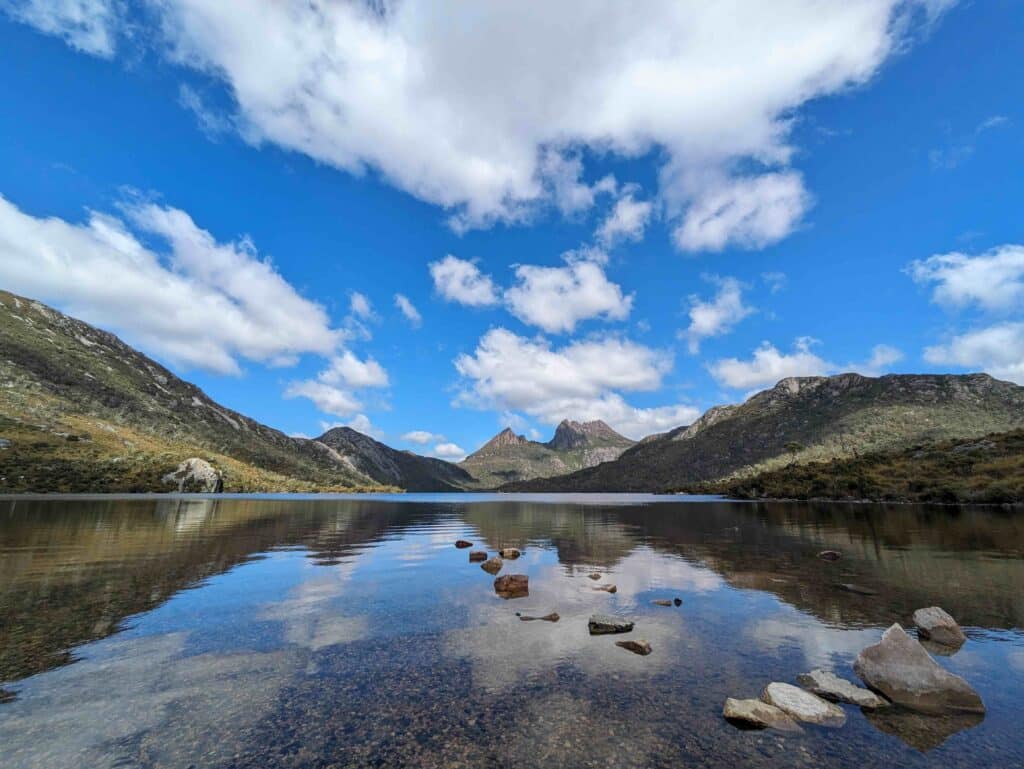
“It is great to be funding in Tasmania, providing resources to strengthen two organisations doing amazing work for the island state. We look forward to hearing about what Environment Tasmania and Landcare Tasmania do together, particularly around river health, which the State of Environment Tasmania report tells us has declined and much is unknown about. It is exciting to start to turn the tide, raising awareness and initiating change.”
— Rachel Honnery, Nature Impact Collective Member
Funded: 2025
Visit Site
Landcare Tasmania supports a diverse and growing network of over 250 local groups working to protect and restore the unique environments found across the island. From coastal dunes to inland rivers, Landcare groups tackle some of Tasmania’s most pressing environmental challenges. More than 8,000 members regularly volunteer their time and resources to care for their land and coasts, waterways and wildlife.
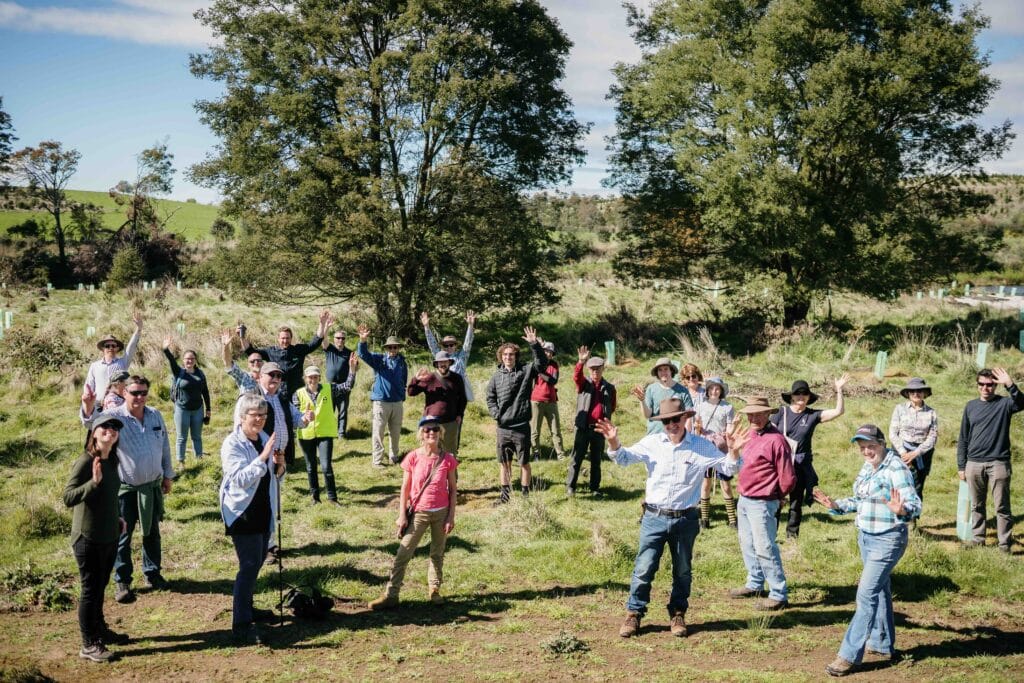
“Nature Impact Collective’s untied funding provides crucial flexibility at a pivotal time for Landcare Tasmania. This support strengthens the stability and sustainability of our organisation and allows us to scale our impact in ways that are strategic, community-led, and long-lasting. With this investment, we are better equipped to back local leadership, support member-led projects, and build the systems needed for a resilient Landcare movement across Lutruwita/Tasmania.”
— Peter Stronach, CEO Landcare Tasmania
Funded: 2024
Visit Site
Nature Glenelg Trust started life in the cross-border area of South Australia and Victoria to increase on-ground environmental action in the region. Taking a holistic approach to biodiversity conservation, the trust now works across four states, has restored around 70 wetlands and established 10 of its own reserves.
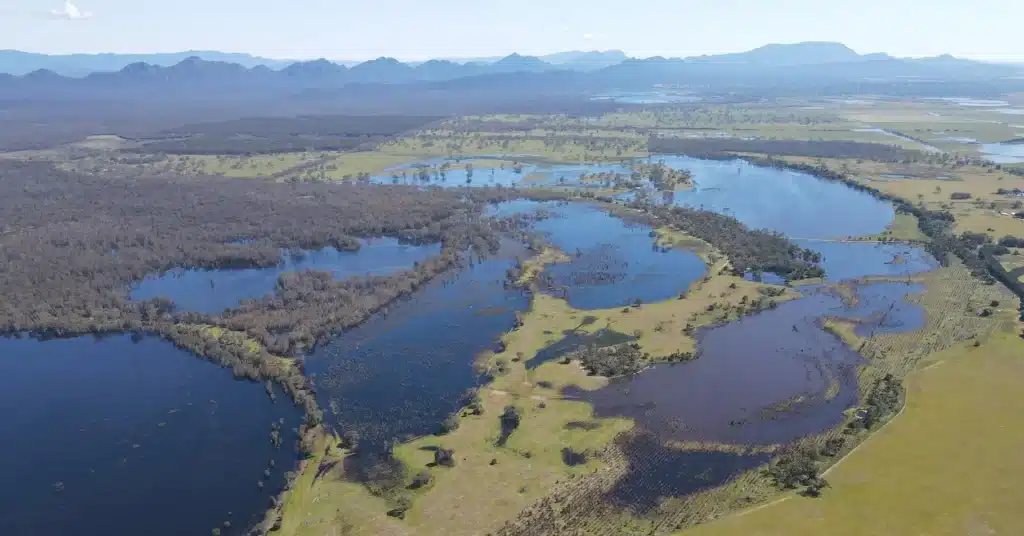
“I really admire the way the Nature Glenelg Trust has bootstrapped its way to success, based in the communities in which it invests and cares for, and working to ‘fill the gaps’ to ensure nature needs and opportunities in regional areas get resources and ongoing attention. Its business model, whereby consultancy income assists in financing its operations, is commendable.”
— William Crothers, Nature Impact Collective Director
Funded: 2026
The Southern Australian Aboriginal Land and Sea Management Alliance (SAALSMA) was established in 2025 by a group of First Nations leaders to bring together First Nations knowledge and strategy to address the unique challenges facing land and sea Country across Southern Australia. This emerging Alliance for the South will connect, strengthen and advocate for First Nation’s communities in their land and sea management.
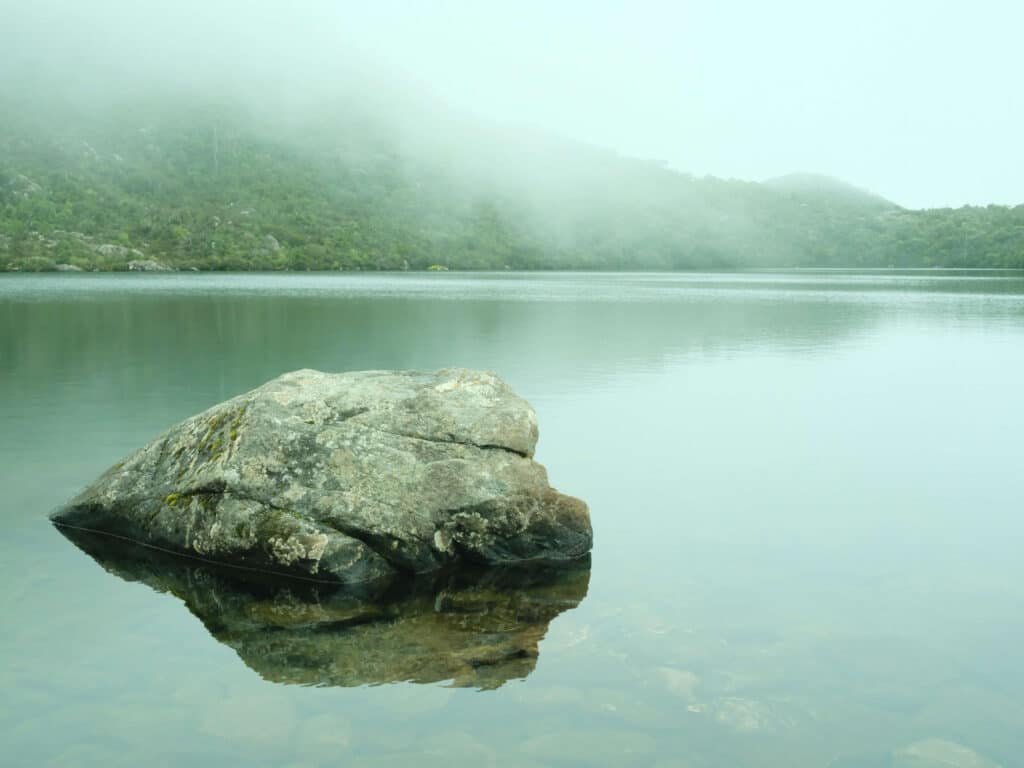
“I am very pleased that Nature Impact Collective was able to support SAALSMA with incubator funding at the critical early stage, when the impact of giving can have expansive results. SAALSMA’s vision for an indigenous-led alliance in the South is a necessary one and their pragmatic, relational approach gives us confidence for what lies ahead.”
— Michael Cahill, Nature Impact Collective Member
Funded: 2026
Visit Site
Western Port Biosphere Reserve is an independent, science-based organisation working with communities towards a more sustainable future for the region. Established in 2003 and recognised under the UNESCO Biosphere Reserve model, it connects conservation, sustainable development and cultural values. Much of its work focuses on wetlands, coastlines and inland water stewardship, supporting landscape-scale environmental outcomes across the Western Port Biosphere Reserve.
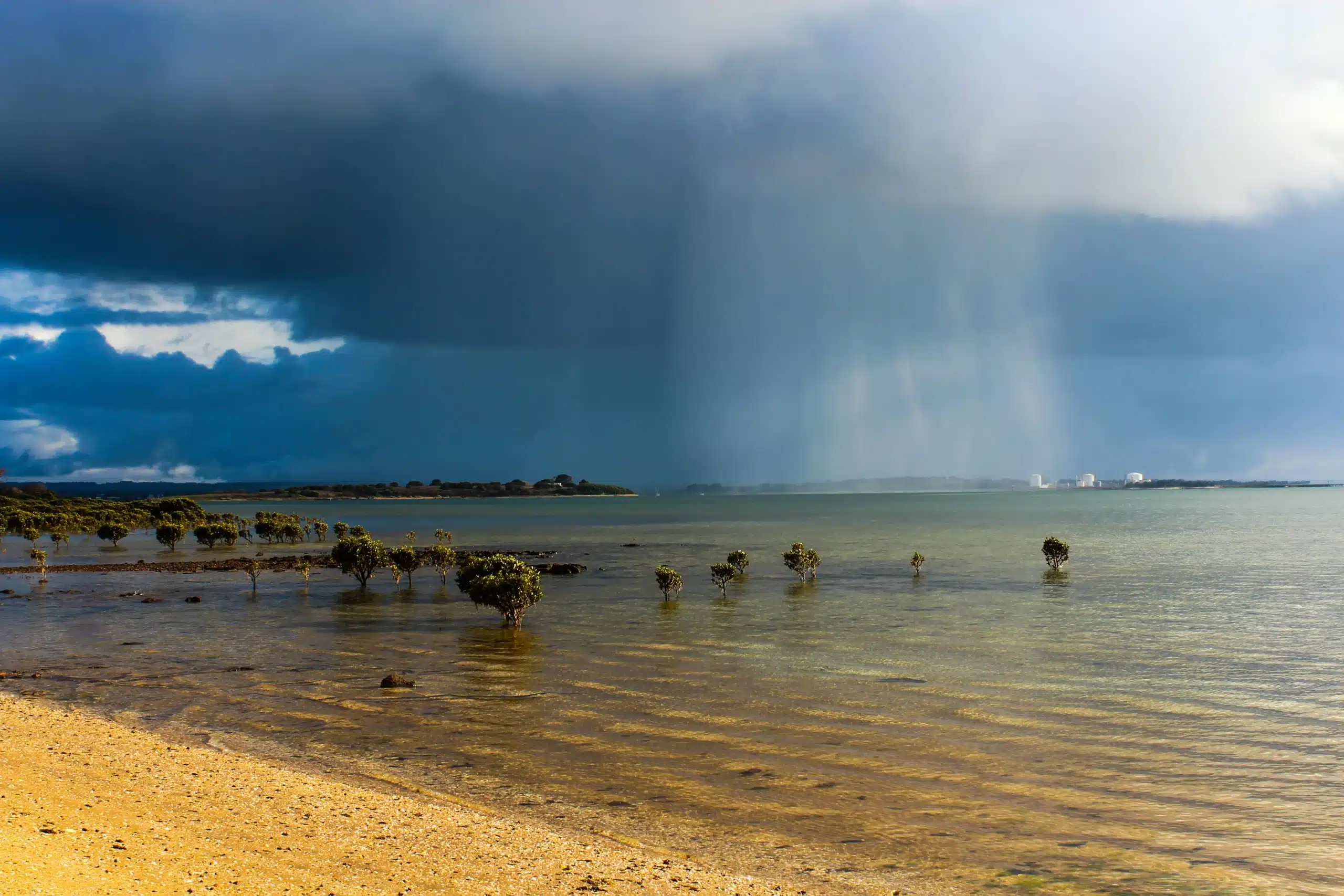
“Western Port Biosphere Reserve’s work stands out for the way it brings together biodiversity, climate resilience and sustainable development across a landscape of great natural value on Melbourne’s urban fringe. We are particularly inspired by its collaborative, systems-level approach and its ability to combine science, partnerships and local stewardship to create impact beyond individual projects, supporting long-term, environmental change across the biosphere.”
— Jim Phillipson, Nature Impact Collective Chair
Funded: 2026
Visit Site
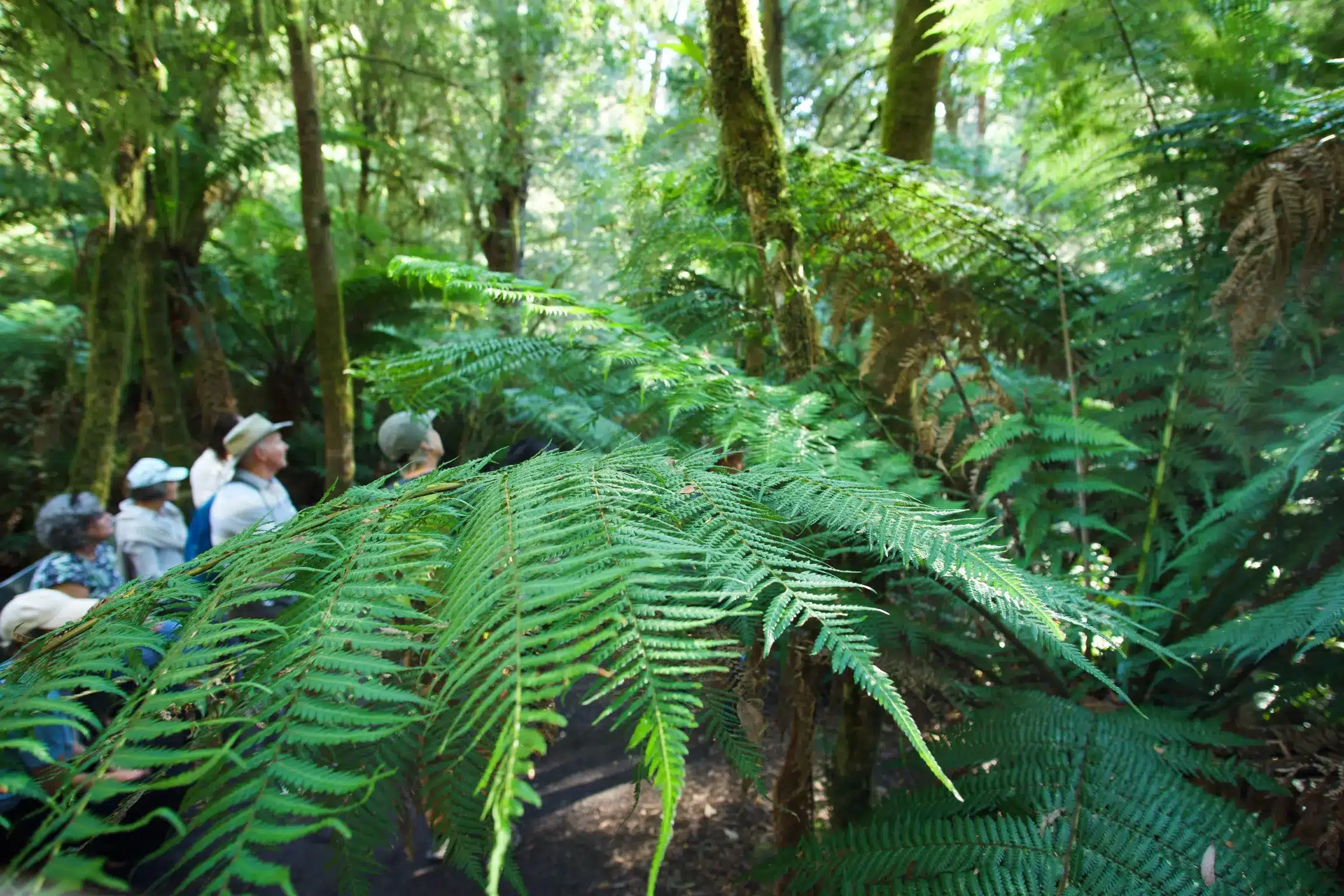
The Conservation Ecology Centre works to protect and restore the unique ecosystems of Victoria’s Otways through practical conservation, ecological research and community engagement. Based in Cape Otway, the Centre works with landholders, Traditional Owners, researchers, government and the community to better understand and address threats to biodiversity, while supporting healthy forests, waterways and wildlife.