
Funded Organisations
As philanthropic funders we achieve our impact
through annual giving to environmental
organisations across Australia.
2025: Resilient Waterways and Thriving Coastlines
In 2025 Nature Impact Collective continued our focus on freshwater, to build upon what we learned during our 2024 Inland Waters funding round, and extended the reach ‘downstream’ to the connected saltwater ecosystems of estuaries and coasts. Australia’s water systems remain a critical issue for nature, having endured historic degradation and facing new threats like climate change and industrial-scale water extraction.
The following eight organisations, championing the ecological health of Australia’s inland waters and coastlines, shared a total funding pool of AU$2.25 million.
Biodiversity Council
The Biodiversity Council brings together experts, First Nations leaders and the wider community to solve Australia’s biodiversity crisis. Originally established within the University of Melbourne, they recently transitioned to become an independent organisation. This has enabled them to work with partners to establish the Nature Media Centre, a non-partisan resource to help shine a spotlight on Australia’s unfolding environmental crisis through supporting nature journalism and lifting community voices.
“This support from Nature Impact Collective has been transformative for the Biodiversity Council, propelling the Council into its next chapter, enabling us to build strong operational foundations and chart an ambitious course forward. It also empowers the Council to pursue strategic initiatives, including working with partners to establish a dedicated Nature Media Centre. The Centre will play a critical role in reshaping public discourse, ensuring that biodiversity loss and nature protection receive the attention they deserve, and help create the public pressure and expectation for politicians and businesses to take action.”
— James Trezise, CEO Biodiversity Council
“The Biodiversity Council has established itself as a trusted, independent voice for nature. It brings scientific expertise and clear communication to one of the most urgent issues of our time. By combining research excellence with public advocacy, they are shifting national conversations and strengthening biodiversity’s place on the policy agenda. With the launch of the Nature Media Centre, they are amplifying credible, solutions-focused voices to cut through misinformation and influence public debate. Lasting environmental change relies on credible voices that inspire, inform and influence at scale. We are proud to support this agenda-setting work.”
— Jim Phillipson, Nature Impact Collective Chair
Environment Tasmania
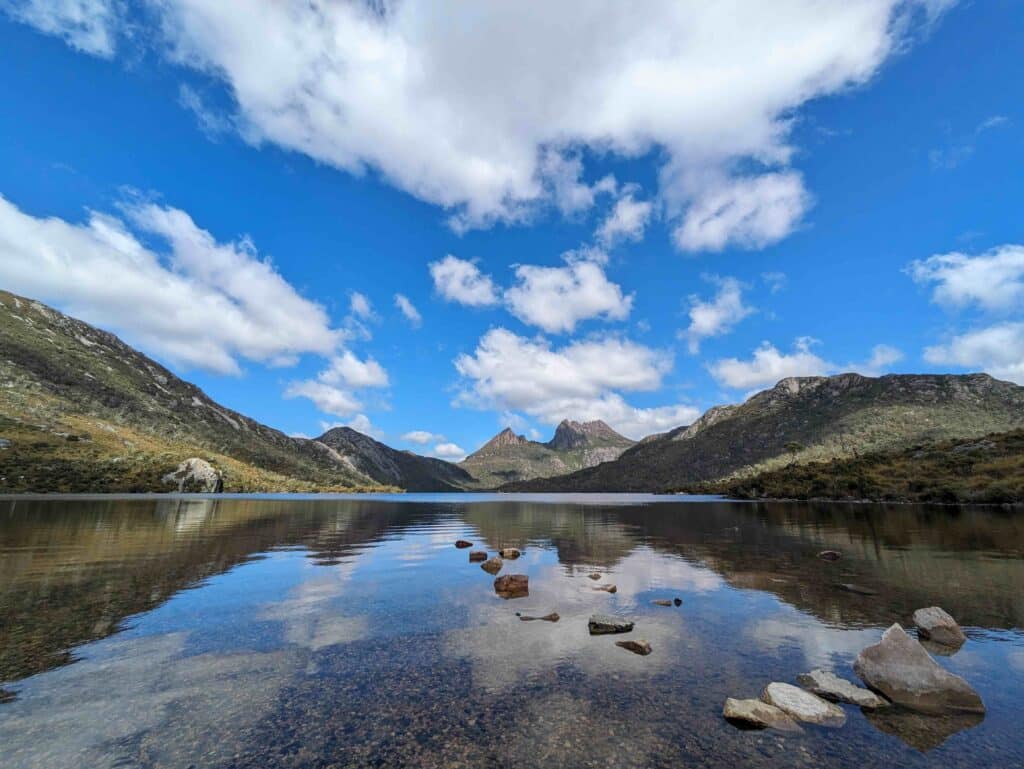
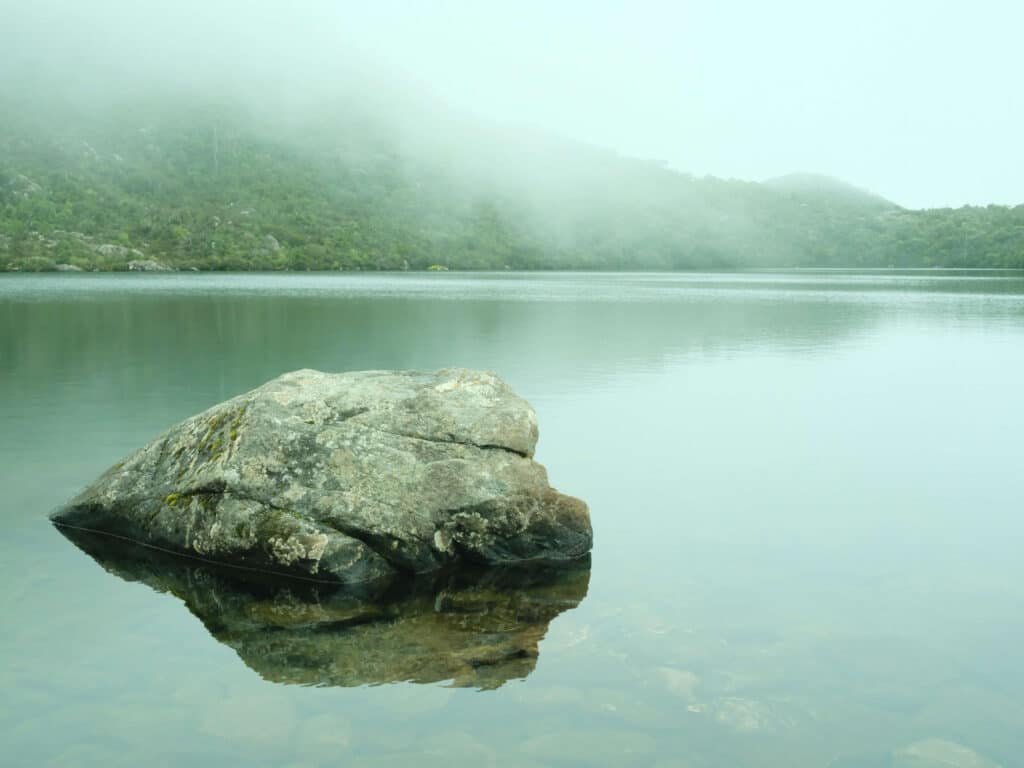
Environment Tasmania works with the Tasmanian community to care for the island state’s unique environment, home to some of the most spectacular wildlife, forests and oceans on earth. Since 2004 they have spearheaded campaigns on important environmental issues for the island, including forestry, super trawlers and salmon farming, and are currently focused on marine environments, climate and rivers.
Landcare Tasmania
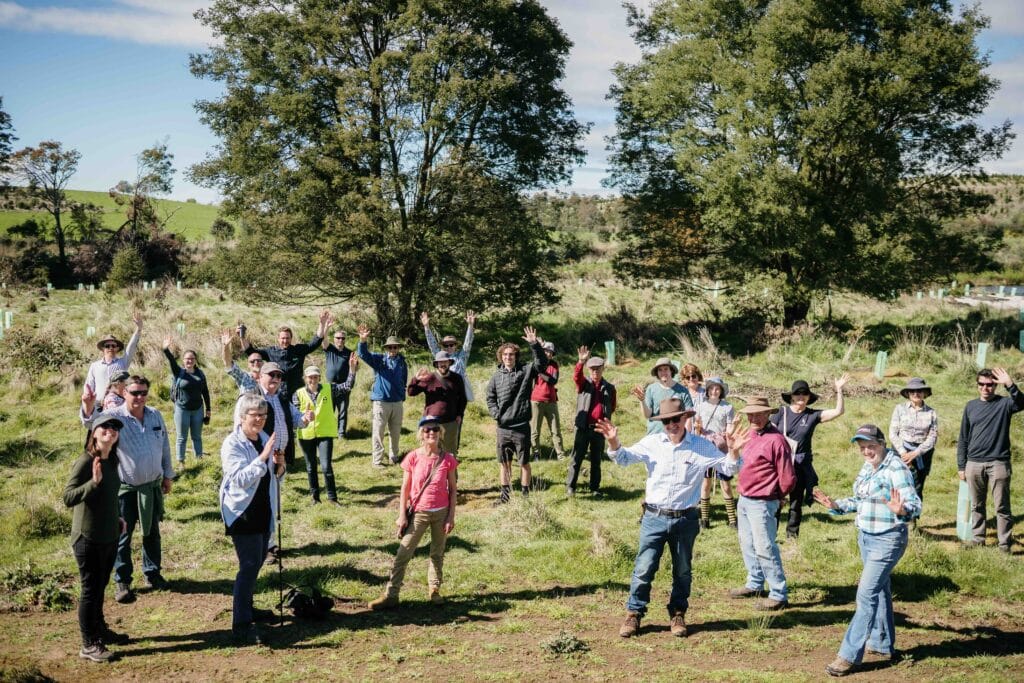
Landcare Tasmania supports a diverse and growing network of over 250 local groups working to protect and restore the unique environments found across the island. From coastal dunes to inland rivers, Landcare groups tackle some of Tasmania’s most pressing environmental challenges. More than 8,000 members regularly volunteer their time and resources to care for our land and coasts, waterways and wildlife.
“This funding has been critical in strengthening the core of the organisation, enabling us to allocate resources to reinforce our foundations, procedures and financial management. It will also help Environment Tasmania become more financially self-sufficient, as we now have the time and resources required to overhaul our regular giving and bequest programs. Without this solid platform in place, Environment Tasmania would not be in a position to run a state-wide Freshwater Campaign. This funding has also bolstered relations between Environment Tasmania and Landcare Tasmania which will help increase the cohesivity of the state’s environmental movement – which is a key objective for Environment Tasmania.”
— James Overington, CEO Environment Tasmania
“Nature Impact Collective’s untied funding provides crucial flexibility at a pivotal time for Landcare Tasmania. This support strengthens the stability and sustainability of our organisation and allows us to scale our impact in ways that are strategic, community-led, and long-lasting. With this investment, we are better equipped to back local leadership, support member-led projects, and build the systems needed for a resilient Landcare movement across Lutruwita/Tasmania. The timing of the Nature Impact Collective donation is amazing and we look forward to unpacking the future trajectory of community Landcare that is now enabled by the Collective’s contribution.”
— Peter Stronach, CEO Landcare Tasmania
“It is great to be funding in Tasmania, providing resources to strengthen organisations doing amazing work but who can often feel quite unsupported and neglected located away from Australia’s main populations. We look forward to hearing about what Environment Tasmania and Landcare Tasmania do together, particularly around river health, which the State of Environment Tasmania report tells us has declined and much is unknown. It is exciting to start to turn the tide to change this, raising awareness and initiating change.”
— Rachel Honnery, Nature Impact Collective Member
Murray Darling Wetlands Working Group
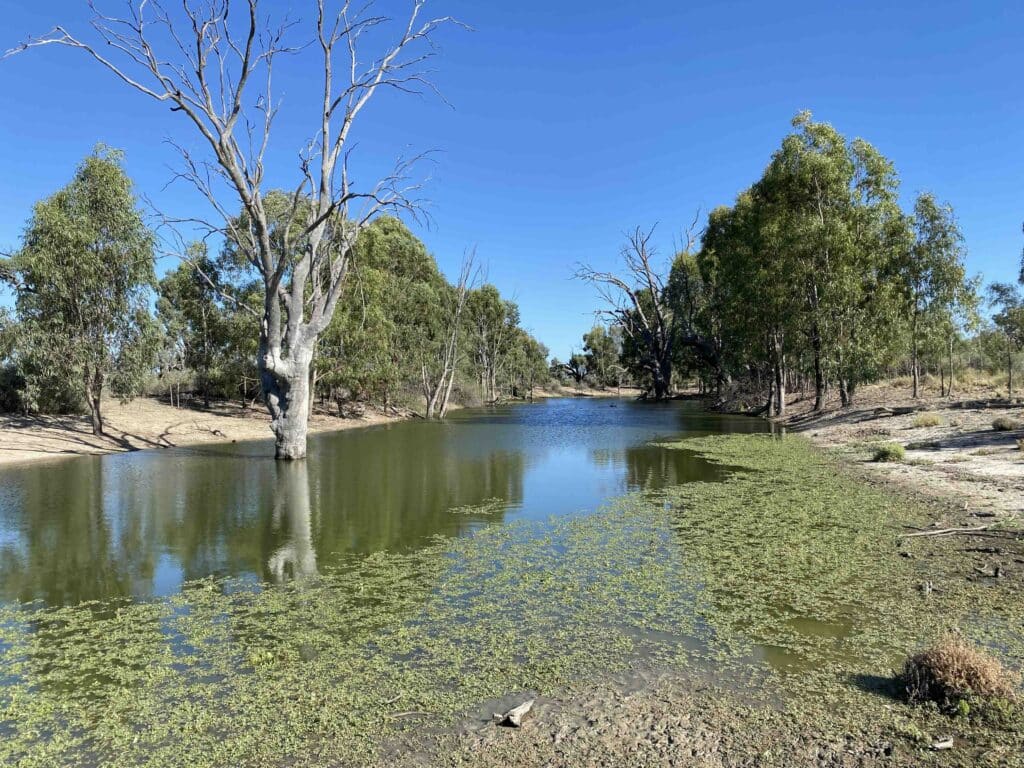
Over more than 30 years, the Murray Darling Wetlands Working Group has delivered hundreds of projects that have helped to rehabilitate wetlands on public and private property across the Murray-Darling Basin, benefiting the environment and community. They have received many accolades for their achievements in improving wetland management, working successfully between science, business, government and community.
“These funds allow us to develop and implement two key objectives in our strategic plan. Firstly, to increase our profile and gain access to new sources of funding and secondly, to bring in the science of social impact into our work and understand how we are making a difference to people’s lives and how we can improve. By having untied funds, we are now able to test our ‘theory of change’ further with the knowledge and confidence that our impact is real.”
— Deborah Nias, CEO MDWWG
“MDWWG was established more than 30 years ago as a wetlands restoration organisation that works across the entire community of the Murray Darling Basin. The trust they have built with both private and public landowners and the way they include all the community in their work is inspiring. I hope we can do the same with Nature Impact Collective and be seen as a trusted funder of nature making a positive difference in 30 years from now.”
— William Crothers, Nature Impact Collective Director
Rainforest Rescue
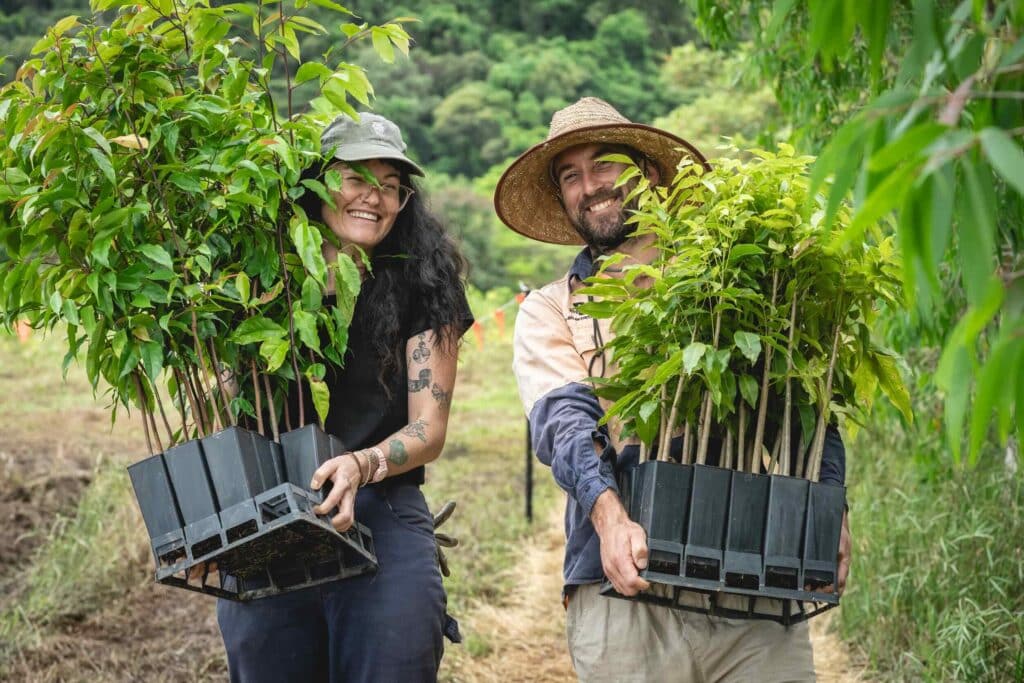
Rainforest Rescue has been protecting and restoring rainforests in Far North Queensland since 1999. Focused in a region recognised with UNESCO World Heritage status, their crucial work enhances rainforest ecosystems with flow on effects for the Daintree River. They re-establish rainforests through propagation and planting, maintenance, and restoration programs, and they also purchase and protect high conservation value rainforest, preserving its biodiversity.
“We are at a pivotal moment and are primed to scale rainforest restoration in the Wet Tropics, a region that is in transition with the Mossman Sugar Mill closing last year. Most recently we purchased a 30-hectare cane farm and are starting restoration of this property whilst targeting a larger program to transform under productive farmland with very high environmental value back to a flourishing ecosystem. We are working to protect and increase habitat for threatened species, grow threatened vegetation communities, reduce run off to the Great Barrier reef, sequester carbon and create local jobs. We could not do this without the very generous support of Nature Impact Collective.”
— Branden Barber, CEO Rainforest Rescue
“Protecting and restoring rainforests is one of the very best ways to enhance biodiversity and sequester carbon. Rainforest Rescue have been doing just that for 25 years and we’re proud to support their continued efforts, especially in this opportune moment when the sugar cane mill closure opens up possibilities of new land rehabilitation.”
— Darrell Wade, Nature Impact Collective Member
Northern Australia Conservation Alliance
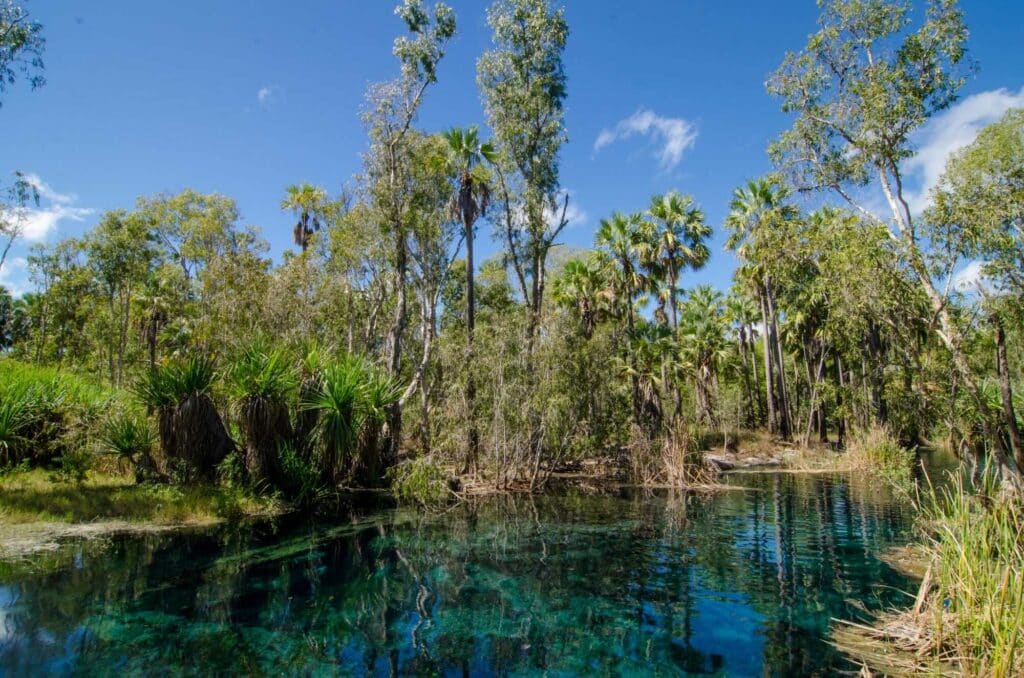
The Northern Australian Conservation Alliance (NACA) was formed in early 2025 by four key regional conservation bodies to build collective power, shift narratives and secure lasting protections for nature. The founding members are Environment Centre NT (ECNT), Arid Lands Environment Centre (ALEC), Cairns and Far North Environment Centre (CAFNEC) and Environs Kimberley.
“This funding arrived at a critical point in the early days for the Northern Australia Conservation Alliance (NACA) and was game changing, giving the alliance a sense of confidence, self-belief and momentum. It created a feeling that others believe in NACA’s mission and approach, generating increased focus on developing campaign strategy and activities. We have since raised further funds, in part leveraging Nature Impact Collective’s support, and we are now in a strong financial position for our first, exciting year. We are incredibly grateful to the Collective and its members for their generous, significant and timely contribution.”
— Kirsty Howey, Executive Director Environment Centre NT
“We are so excited to contribute to the formation of the Northern Australian Conservation Alliance – a collaboration of impressive regional conservation bodies working for durable protection of the precious intact landscapes and pristine waterways of Northern Australia. The threats to nature in the North are immense, and we’re thrilled that the Alliance has come together to meet this challenge and ensure these culturally and ecologically significant places can flourish, forever.”
— Ella Colley, Nature Impact Collective Director
The Southern Australia Aboriginal Land and Sea Management Alliance
The Southern Australia Aboriginal Land and Sea Management Alliance (SAALSMA) was recently established by a group of First Nations leaders to bring together First Nations knowledge and strategy to address the unique challenges facing land and sea Country across Southern Australia. This emerging Alliance for the South will connect, strengthen and advocate for First Nation’s communities in their land and sea management.
“Before this funding, we were a group of volunteers with competing priorities trying to make it work. Now we can employ a professional to take the time to establish SAALSMA properly, laying a strong foundation for culturally-led Caring for Country in the south of Australia.”
— Jack Pascoe, SAALSMA Co-ordinator
“I am very pleased that Nature Impact Collective is able to support SAALSMA with incubator funding at this critical early stage, when the impact of giving can have expansive results. SAALSMA’s vision for an indigenous-led alliance in the South is a necessary one and their pragmatic, relational approach gives us confidence for what lies ahead.”
— Michael Cahill, Nature Impact Collective Member
Wentworth Group
Since 2002, the Wentworth Group of Concerned Scientists has been dedicated to water and land policy reform to protect Australia’s critical environments. The Group brings together eminent scientists who are a trusted source of independent advice on solutions-based policy reforms for land and water issues.
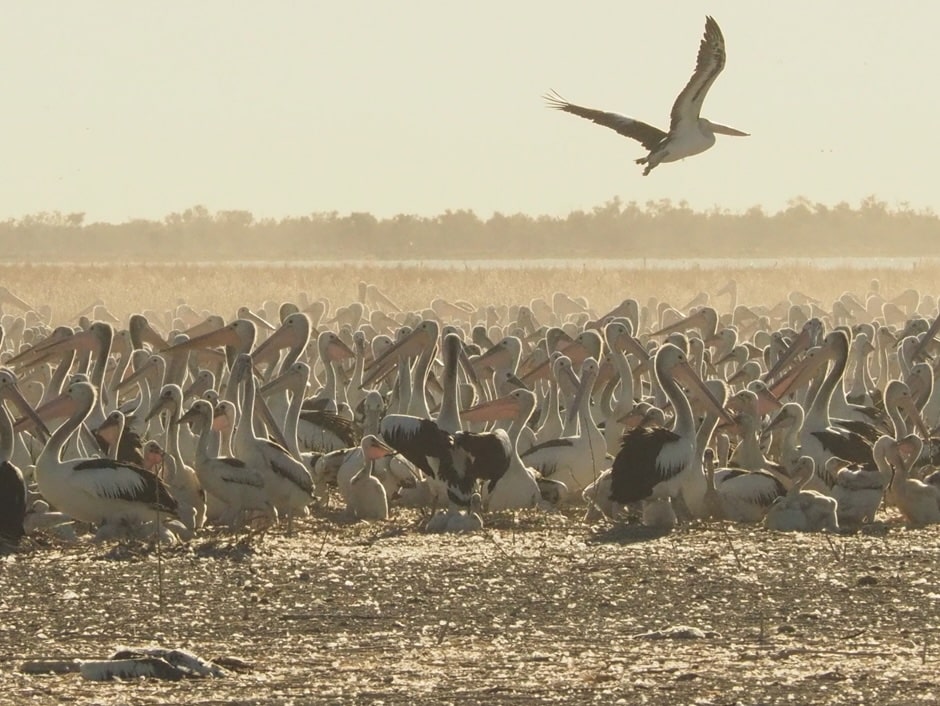
“With a once-in-20-year reform to Australia’s water laws on the horizon, this grant has been a game-changer for us. It has enabled us to expand our team and enhance our capabilities, allowing us to take full advantage of opportunities ahead to secure the health of Australia’s largest river system, the Murray-Darling Basin. The untied grant provides us with flexibility to adapt as the reform agenda evolves, and gives us greater confidence in what we can achieve over a longer time horizon than would otherwise be possible.”
—Dr Celine Steinfeld, CEO Wentworth Group
“The Wentworth Group plays a vital role in the invisible infrastructure of reform. They bring rigorous science and trusted policy advice to the national stage. Their team has shaped landmark Murray-Darling reforms, helped restore wetlands and river flows and developed innovative tools, like the Repairing Landscapes Blueprint, that are now influencing practice across government and the sector. Through Nature Impact Collective, we’re proud to back their leadership, because systemic change depends on this kind of evidence-based, bipartisan credibility.”
— Jim Phillipson, Nature Impact Collective Chair
Connect
If you are a funder and would like us to make an introduction to any of these organisations, we would be happy to do so.
Please reach out at: [email protected]